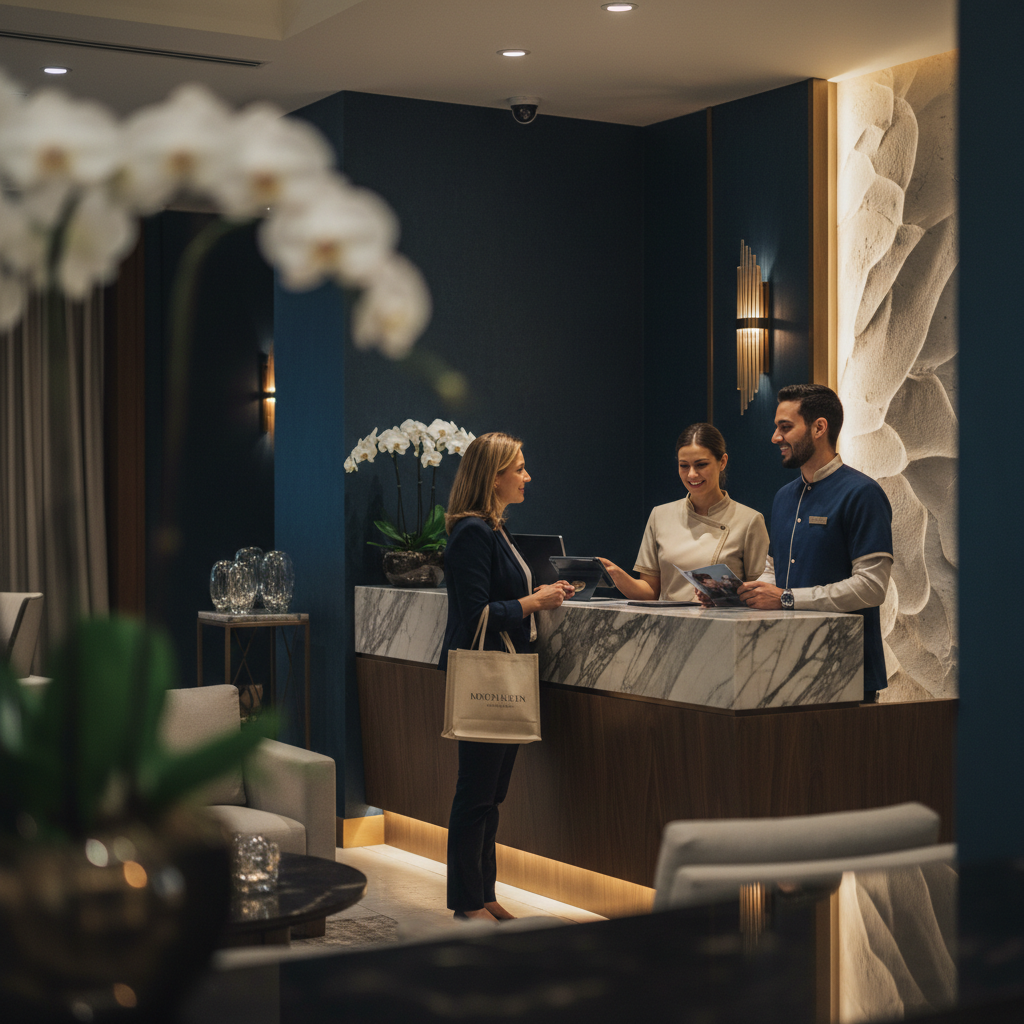
The phone rings, an email pings, or a new patient form lands in your inbox. This isn't just a notification; it's a potential client, already interested, reaching out. Yet, for many med spas, a significant percentage of these warm leads simply vanish, never converting into a booked appointment. The truth is, your front desk isn't just an administrative hub; it's the first, and often most critical, point of conversion, and if they're not equipped to handle that pressure, you're leaving revenue on the table.
The Hidden Cost of Underperforming Front Desk Staff
Think about the investment you make in marketing. You spend thousands on ads, SEO, social media, and events to generate inquiries. But what happens when those inquiries hit a bottleneck at the front desk? It’s like pouring water into a leaky bucket. Studies show that practices with well-trained front desk staff can see conversion rates jump by 20-30% or more. Without proper med spa front desk conversion training, you're not just losing individual appointments; you're eroding your marketing ROI and stifling your practice's growth potential. This isn't about being pushy; it's about effectively guiding interested individuals to the solutions they're already seeking.
Section 1: Mastering the Art of the Consultative Conversation, Not Just Order-Taking
Your front desk staff aren't just appointment schedulers; they are your first-line consultants. Their role is to understand the caller's needs, build rapport, and gently guide them toward the right solution – which often means booking a consultation. This shift from "order-taker" to "consultative guide" is fundamental.
Real-World Example: I worked with a med spa whose front desk staff would answer calls with, "Thanks for calling [Spa Name], how can I help you?" and then immediately quote prices or availability. After implementing a structured med spa front desk conversion training program, we introduced a discovery phase. Staff were taught to ask open-ended questions like, "What made you call us today?" or "What specific concerns are you hoping to address?" This simple change allowed them to uncover the caller's true motivations and pain points.
Data Point: Practices that implement a discovery-based call script see an average 15% increase in booked consultations compared to those using a transactional script. This isn't about selling; it's about listening and aligning.
Section 2: The Power of Active Listening and Empathy
In a world saturated with automated responses, genuine human connection stands out. Your front desk staff needs to be trained not just to hear, but to listen actively and respond with empathy. This builds trust and makes the caller feel understood, significantly increasing their likelihood of booking.
Real-World Example: A potential patient calls, expressing frustration about stubborn fat that diet and exercise haven't touched. An untrained front desk might just say, "Yes, we offer CoolSculpting. When would you like to come in?" A trained professional, however, would respond, "I completely understand how frustrating that can be when you've put in so much effort. Many of our clients have felt the same way and found great success with our body contouring options. We can explore those in a personalized consultation." This empathetic response validates the caller's feelings and positions the spa as a solution provider.
"Your front desk isn't just answering the phone; they're answering a person's hope for a solution. Empathy is the bridge between an inquiry and an appointment."
Data Point: A study by Salesforce found that 80% of customers consider the experience a company provides to be as important as its products or services. This experience starts with your front desk.
Section 3: Overcoming Objections with Grace and Confidence
Inquiries often come with hesitations: "It's too expensive," "I need to think about it," "I'm not sure if this is right for me." Your front desk staff needs specific med spa front desk conversion training on how to address these objections without being pushy or dismissive. It's about re-framing, offering solutions, and reinforcing value.
Real-World Example: When faced with "It's too expensive," a trained front desk professional won't just drop the price. Instead, they might say, "I understand that cost is a consideration. Many of our clients find that the long-term results and confidence they gain are invaluable. During a consultation, we can discuss payment options and ensure we find a plan that fits your budget and goals." This approach acknowledges the concern, maintains value, and keeps the door open for a consultation.
Data Point: Effective objection handling can increase conversion rates by up to 25%. It transforms a potential "no" into a "let's talk more."
Section 4: Implementing a Structured Follow-Up System
Not every inquiry converts on the first call, and that's okay. What's not okay is letting those leads fall through the cracks. A robust follow-up system is crucial for capturing those who need a little more nurturing. This isn't about spamming; it's about providing value and staying top-of-mind.
Real-World Example: After an initial call where a potential patient expresses interest but isn't ready to book, the front desk should be trained to send a personalized email within 24 hours. This email could summarize what was discussed, include a link to relevant service pages or testimonials, and offer a direct way to book. For those who don't respond, a follow-up call a few days later, offering to answer any further questions, can often seal the deal.
Data Point: Businesses that follow up with web leads within 5 minutes are 9 times more likely to convert them. While not always immediate for phone calls, the principle of prompt, consistent follow-up holds true. Consistent follow-up can increase conversion rates by an additional 10-15% over time.
Section 5: Continuous Training and Performance Monitoring
Med spa front desk conversion training isn't a one-and-done event. The market evolves, services change, and staff needs ongoing support. Regular coaching, role-playing, and performance monitoring are essential to maintain high conversion rates.
Real-World Example: Implement weekly 15-minute "huddle" sessions where staff can share challenging calls, celebrate successes, and role-play common scenarios. Record calls (with proper disclosure) and review them as a team, focusing on constructive feedback. Set clear conversion goals and track them daily or weekly. When staff see their impact on the practice's growth, motivation skyrockets.
Data Point: Companies that invest in ongoing sales training experience 50% higher net sales per employee. For your front desk, this translates directly to more booked appointments and increased revenue.
Your front desk is your practice's first impression and often its most critical conversion point. Investing in comprehensive med spa front desk conversion training isn't an expense; it's a direct investment in your practice's growth and profitability. By empowering your team to be consultative, empathetic, and skilled in objection handling, you'll transform inquiries into loyal patients and unlock the full potential of your marketing efforts.
Ready to stop leaving revenue on the table and turn your front desk into a conversion powerhouse? Learn more about how the ION Growth Engine can help optimize your team and operations, or book a strategy call with us today at iongrowth.ai.