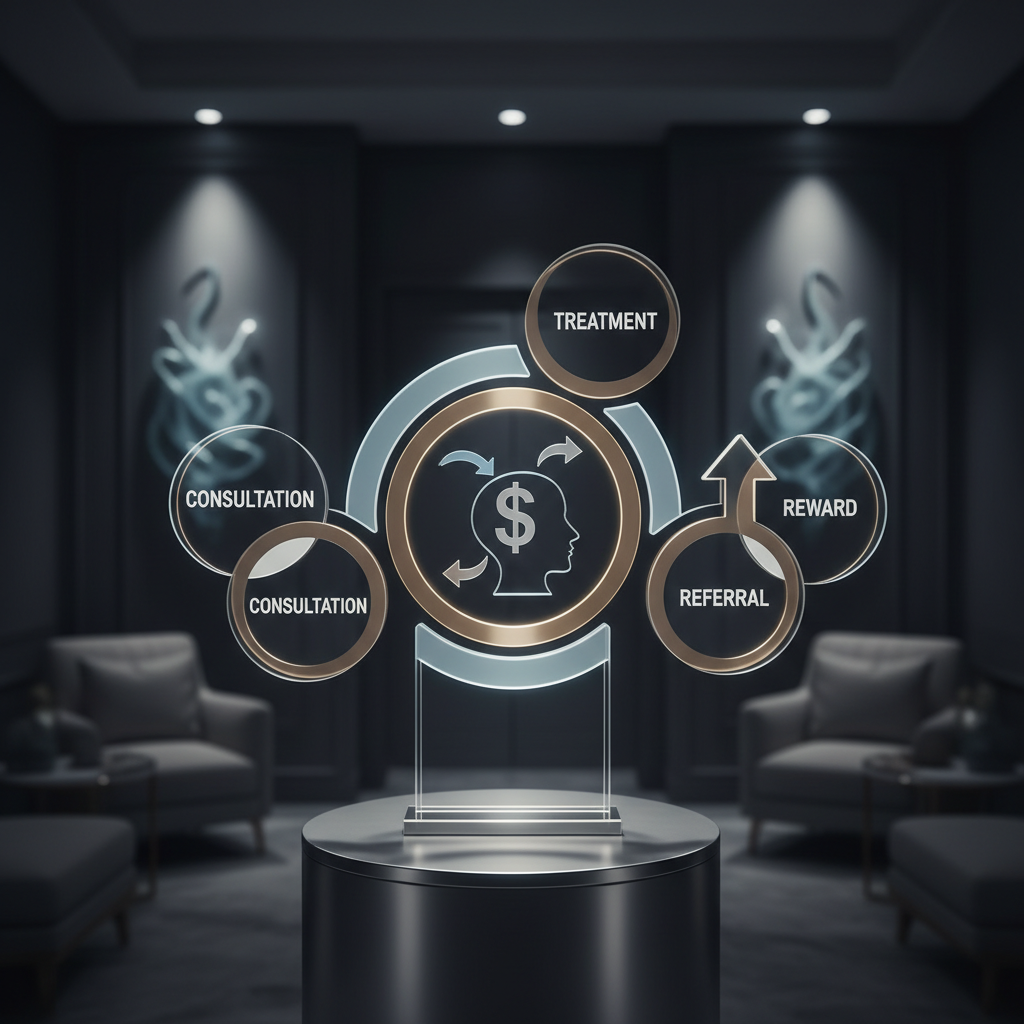
You've invested heavily in your marketing, driving a steady stream of leads to your practice. Your website is humming, your ads are performing, and the phones are ringing. Yet, despite all this effort, your conversion rates aren't where they should be, leaving a significant amount of revenue on the table. The disconnect often lies not with the quality of your leads, but with the team member who holds the key to turning interest into booked procedures: your plastic surgery patient coordinator.
For years, I've seen practices pour resources into lead generation only to falter at the final hurdle. The truth is, a high-performing patient coordinator isn't just an administrative role; they are the sales engine of your practice. They are the first human touchpoint, the empathetic listener, and the skilled guide who navigates prospective patients from curiosity to commitment. Building a team that consistently closes at 70% or higher requires a strategic, data-driven approach to hiring, training, and empowering these crucial individuals. Let's break down how to make that happen.
The Foundation: Hire for Empathy and Sales Acumen, Not Just Experience
When I talk to colleagues about their hiring process for a plastic surgery patient coordinator, the common refrain is often, "We look for someone with medical office experience." While useful, that's rarely the primary indicator of a top-tier performer. The best patient coordinators possess a unique blend of emotional intelligence and natural sales ability. They understand that a cosmetic procedure is often a deeply personal, sometimes vulnerable, decision for a patient.
Think about it: prospective patients are calling about life-changing procedures. They're not just inquiring about a price; they're seeking reassurance, understanding, and a clear path forward. A great plastic surgery patient coordinator can connect on that emotional level, build trust, and then confidently articulate the value proposition of your practice and your expertise.
Actionable Insight: During interviews, use behavioral questions that reveal empathy and sales instinct. Ask: "Tell me about a time you had to persuade someone to do something they were hesitant about, and how did you approach it?" or "Describe a situation where you had to diffuse a difficult conversation with a client." Role-playing scenarios where they handle common patient objections can also be incredibly revealing. Look for individuals who listen more than they talk, ask probing questions, and can articulate value over cost. I've found that candidates who demonstrate a genuine desire to help people, coupled with a natural ability to guide conversations, consistently outperform those with just administrative experience. In one practice I advised, shifting their hiring focus resulted in a 15% increase in consultation bookings within three months, primarily due to better initial patient engagement.
The Training Imperative: From Administrator to Conversion Specialist
Once you've hired the right talent, the next critical step is comprehensive training. This isn't just about learning your EMR system or how to answer the phone. This is about transforming your plastic surgery patient coordinator into a true conversion specialist. Their training should cover three key areas: product knowledge, sales psychology, and objection handling.
First, product knowledge goes beyond knowing the names of procedures. They need to understand the patient journey for each procedure, typical recovery times, expected outcomes, and, crucially, the "why" behind your specific techniques or technologies. They should be able to confidently explain the benefits of your VECTRA 3D imaging or your specific approach to breast augmentation, not just list features.
Second, sales psychology is often overlooked. This involves understanding patient motivations, identifying their underlying needs, and effectively communicating value. Teach them how to build rapport, how to ask open-ended questions that uncover desires and fears, and how to frame your services as solutions to those needs.
Third, objection handling is where many patient coordinators falter. They need a playbook for common objections: "It's too expensive," "I need to think about it," "I want to shop around." This isn't about being pushy; it's about confidently addressing concerns, reinforcing value, and guiding the patient toward their desired outcome.
"Your patient coordinator isn't just quoting prices; they're selling transformation. Equip them with the knowledge and confidence to articulate that value, and watch your conversion rates soar."
Actionable Insight: Develop a structured training program that includes shadowing top performers, weekly role-playing sessions, and regular quizzes on procedure details and common patient questions. Provide them with scripts, not to be read verbatim, but as frameworks for effective communication. Track their performance metrics from day one. Practices that invest in ongoing, structured sales training for their patient coordinators report, on average, a 20-30% improvement in consultation show-up rates and a significant boost in booked procedures.
Empowering Performance: Tools, Metrics, and Incentives
Even the most talented and well-trained plastic surgery patient coordinator needs the right tools, clear performance metrics, and motivating incentives to consistently hit high closing rates.
Tools: This includes a robust CRM system that allows them to track every lead, every interaction, and set follow-up reminders. They need access to high-quality before-and-after photos, educational videos, and financing options that they can easily share with prospective patients. A seamless communication platform (phone, text, email) integrated with your CRM is non-negotiable.
Metrics: You can't improve what you don't measure. Key performance indicators (KPIs) for a plastic surgery patient coordinator should include:
- Lead-to-Consultation Conversion Rate: How many inquiries turn into scheduled consultations?
- Consultation Show-Up Rate: How many scheduled consultations actually happen?
- Consultation-to-Procedure Conversion Rate: How many consultations result in a booked procedure? (This is your ultimate closing rate.)
- Average Procedure Value: Are they effectively upselling or cross-selling?
- Follow-Up Efficacy: Are they consistently following up with unconverted leads?
Incentives: Compensation should be structured to reward high performance. While a base salary is essential, a significant portion of their potential earnings should come from bonuses tied to their conversion rates and booked revenue. This aligns their financial success directly with the practice's growth. I've seen practices implement tiered commission structures where the commission percentage increases as they hit higher conversion rate benchmarks, creating a powerful motivator.
Actionable Insight: Implement a daily huddle where your patient coordinator team reviews the previous day's metrics, discusses challenges, and shares successes. Use a CRM to track every lead touchpoint and conversion stage. For example, if your average lead-to-consultation conversion is 40% and your consultation-to-procedure conversion is 50%, a top-performing plastic surgery patient coordinator should be able to push those numbers significantly higher. One practice saw their consultation-to-procedure conversion jump from 55% to 75% within six months after implementing a performance-based bonus structure and daily metric reviews.
Continuous Improvement: Coaching, Feedback, and Adaptation
The journey to a 70%+ closing rate is not a one-time fix; it's an ongoing process of refinement. Regular coaching, constructive feedback, and a willingness to adapt are crucial.
Coaching: This isn't just about pointing out mistakes. It's about active listening to call recordings, identifying areas for improvement, and collaboratively developing strategies. Role-play specific scenarios where they struggled. Provide positive reinforcement for what they do well.
Feedback: Create a culture where feedback is a two-way street. Encourage your plastic surgery patient coordinator team to share what they're hearing from patients, what marketing messages are resonating, and what objections are most common. This feedback loop is invaluable for refining your marketing, your offerings, and your sales approach.
Adaptation: The market changes, patient expectations evolve, and new procedures emerge. Your patient coordinator team needs to be agile. Regularly update their training, scripts, and resources to reflect new information. If a new competitor enters the market, discuss how to differentiate your practice. If a new financing option becomes available, ensure they can articulate its benefits.
Actionable Insight: Schedule weekly one-on-one coaching sessions with each plastic surgery patient coordinator. Review call recordings together, focusing on specific moments where they excelled or could have improved. Implement a quarterly "best practices" meeting where the team shares successful strategies and challenges. By fostering this environment of continuous learning and adaptation, one practice I worked with not only achieved a 70% closing rate but maintained it consistently for over a year, even amidst increasing competition.
Building a plastic surgery patient coordinator team that consistently closes at 70%+ isn't just about finding good people; it's about creating a system that empowers them to excel. By focusing on hiring for the right attributes, providing rigorous training, empowering them with tools and incentives, and fostering a culture of continuous improvement, you can transform your conversion rates and unlock significant growth for your practice.
Ready to stop leaving revenue on the table and build a patient coordinator team that truly drives your practice forward? Let's talk about how ION's growth strategies and tools can help you implement these principles and achieve your revenue goals. Book a strategy call with us at iongrowth.ai to learn more about the ION Growth Engine.