If your patient coordinator is spending half their day chasing window-shoppers who can’t afford a facelift or aren't right for a revision rhinoplasty, your practice is bleeding revenue on administrative friction. In elective aesthetics, the first practice to respond usually wins the patient—but speed without qualification just means you're booking consultation rooms with the wrong people.
That operational bottleneck is precisely why progressive practices are shifting away from manual intake and adopting AI lead qualification plastic surgery workflows to instantly separate high-intent surgical candidates from casual browsers.
The True Cost of Slow Response Times and Unqualified Consults
Let’s look at the numbers. Industry data shows that responding to an inquiry within five minutes makes you 21 times more likely to qualify that lead compared to waiting just 30 minutes. Yet, in plastic surgery, the average lead response time still hovers around several hours—or worse, the next business day.
When your front desk is buried under phone calls, patient check-ins, and post-op care, digital inquiries sit in the CRM inbox gathering dust. And when someone finally reaches out, they often lack the budget, aren't ready for surgery for another year, or are looking for a procedure your clinic doesn't even offer.
Every minute your team spends on the phone explaining that you don't do injectables or trying to gently decline a patient who needs a different specialty is time not spent nurturing a high-value mommy makeover or deep plane facelift lead. Manual screening is an expensive use of your staff's talent, and it introduces human bias and fatigue into the pipeline.
How Automated Pre-Screening Actually Works
Implementing AI lead qualification plastic surgery doesn’t mean replacing your human patient coordinators with cold, robotic chat windows. Instead, it means deploying intelligent conversational agents that act as a 24/7 digital concierge on your website, social ads, and messaging channels.
When a prospective patient submits an inquiry at 11:00 PM about a tummy tuck, the AI engages them immediately. It doesn't just collect a name and email address; it asks dynamic, clinic-specific qualifying questions:
- What specific areas are you looking to treat?
- Have you had previous surgery in this area?
- What is your ideal timeframe for undergoing the procedure?
- Are you looking to finance your treatment or pay out-of-pocket?
By the time your coordinator arrives at the office the next morning, the lead has already been vetted against your clinical and financial criteria. Practices utilizing automated pre-screening report a 35% reduction in wasted consultation hours in the first 90 days alone, freeing up surgeons and coordinators to focus exclusively on ready-to-book patients.
"AI doesn't replace the human touch in high-end aesthetics—it protects it. By filtering out the noise instantly, your team can pour 100% of their empathy and expertise into the patients who actually matter to your bottom line."
Integrating Clinical Guardrails and Aesthetic Nuance
One hesitation I often hear from plastic surgeons is that software can’t possibly understand the clinical nuances of aesthetic medicine. And they're right—an out-of-the-box chatbot will fail miserably in a surgical practice because it lacks medical context.
Modern AI lead qualification plastic surgery systems are built with strict clinical guardrails. You program the parameters based on your specific practice protocols. For example, if a patient has a complex medical history that rules out general anesthesia, or if their BMI falls outside your operating guidelines, the system can flag it.
Furthermore, these tools are trained on aesthetic terminology. They understand the difference between a primary and a revision procedure, they know how to route breast augmentation inquiries differently than med-spa treatments, and they can seamlessly handle photo-submission requests while remaining HIPAA-compliant.
The data backs up the safety and efficacy of this approach: clinics utilizing specialized aesthetic AI pipelines see a 40% increase in lead-to-consultation conversion rates because the automated dialogue builds trust and sets accurate expectations before the patient ever steps foot in your waiting room.
Protecting Your Brand and Maximizing Patient Lifetime Value
In plastic surgery, patient experience begins the microsecond someone interacts with your digital brand. If they fill out a form on your site and hear nothing for 48 hours, they assume your practice is disorganized or indifferent—and they will book with the competitor down the street who answered them instantly.
Implementing an intelligent qualification framework ensures that every single inquiry receives a white-glove, immediate response, regardless of whether it comes in at noon on a Tuesday or midnight on a Sunday.
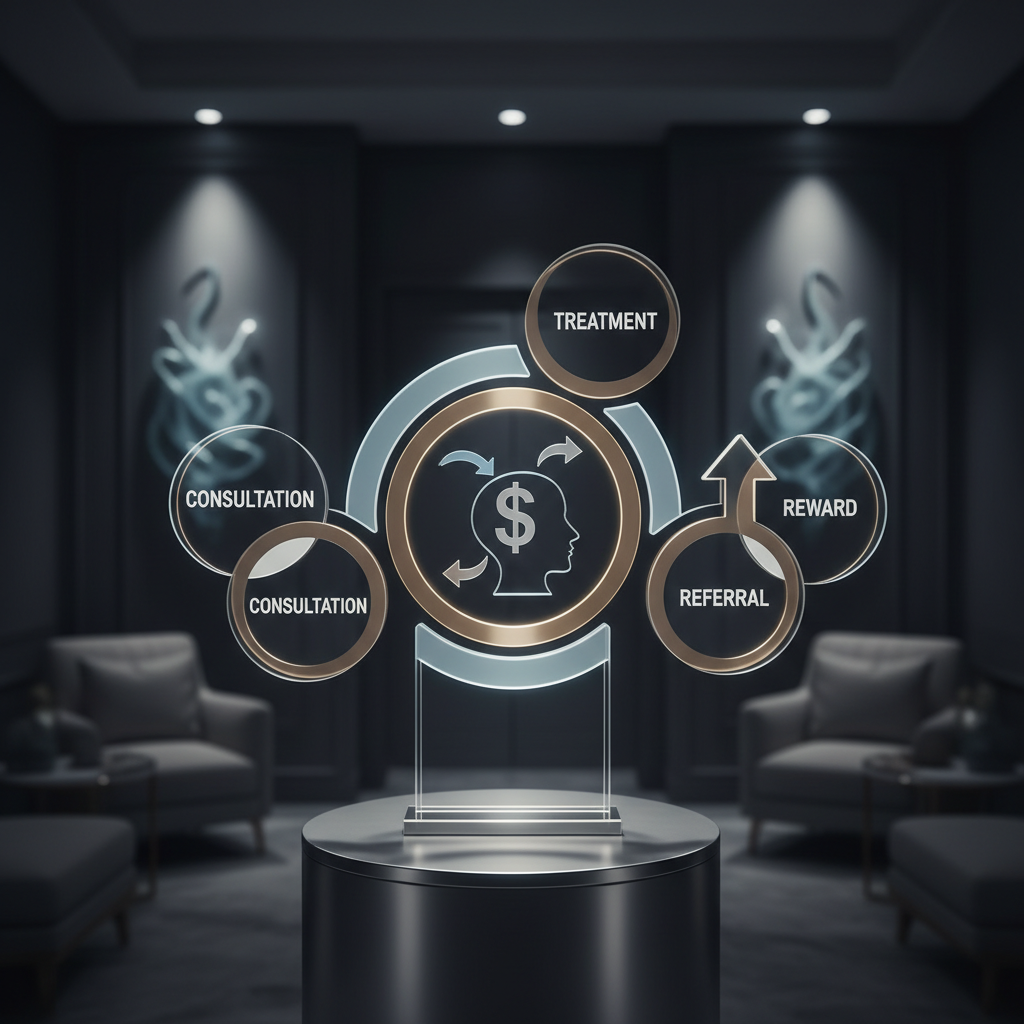
Moreover, it safeguards your patient lifetime value (LTV). A patient who starts with a non-surgical treatment like neurotoxins or fillers can be systematically nurtured over time by automated workflows, eventually graduating to surgical procedures like blepharoplasty or facelifts when the time is right. When you automate the top-of-funnel filtering, you create a predictable, scalable ecosystem where no high-value opportunity ever slips through the cracks of a busy front desk.
If you are ready to stop wasting valuable consultation slots on unqualified leads and want to install a predictable, automated growth engine in your practice, visit iongrowth.ai to book a strategy call with our team today.