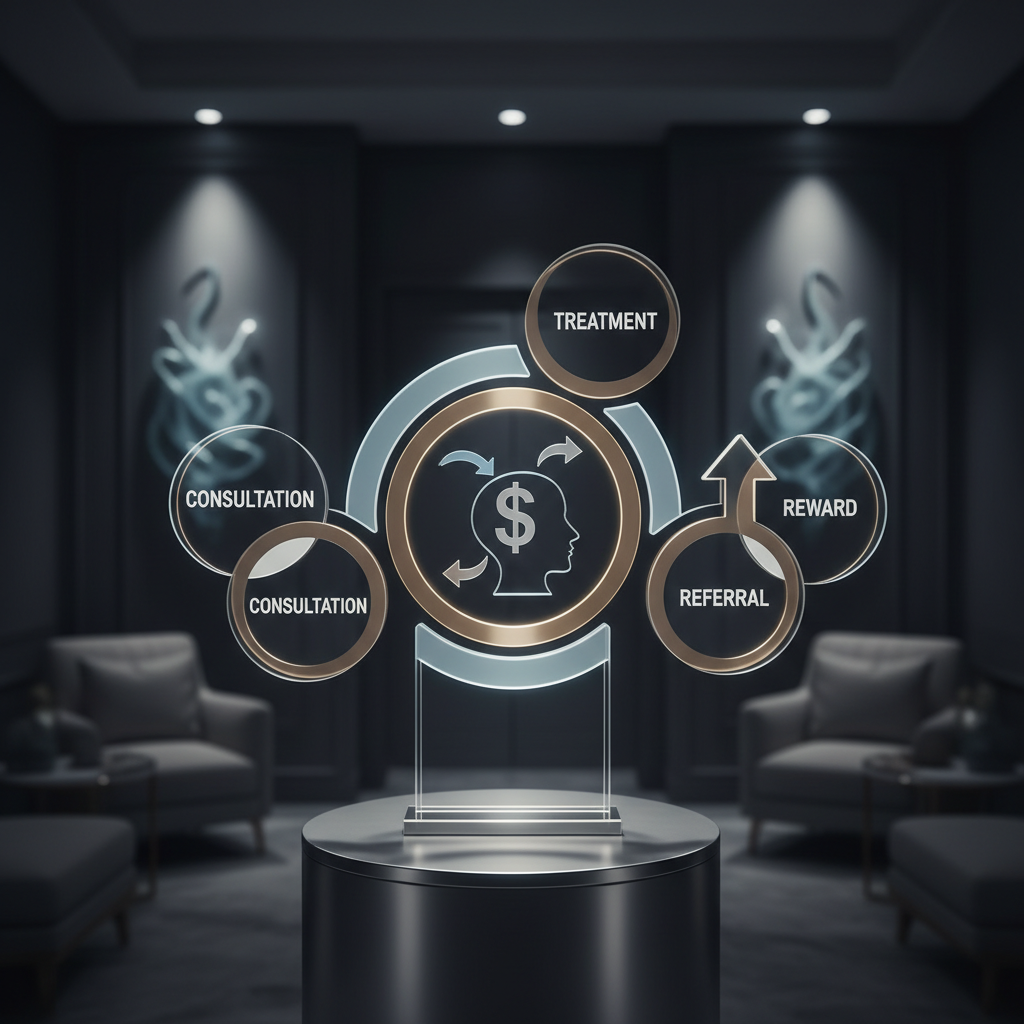
The plastic surgery landscape is more competitive than ever, and while sophisticated marketing campaigns can fill your funnel, true, sustainable growth hinges on something far more fundamental: the patient experience. You can spend a fortune on ads, but if your patient journey isn't designed to convert satisfied clients into enthusiastic advocates, you're leaving a massive amount of potential on the table. The real challenge isn't just attracting new patients, it's transforming them into a self-sustaining referral engine.
The Foundation: Understanding the Modern Plastic Surgery Patient
Before we even talk about referrals, we need to acknowledge the unique psychology of the plastic surgery patient. This isn't a routine dental cleaning; it's often a deeply personal, emotionally charged decision driven by desires for self-improvement, confidence, and sometimes, addressing long-standing insecurities. They've likely done extensive research, scrolled through countless before-and-after photos, and are looking for more than just a procedure – they're seeking a trusted partner in their transformation.
Consider this: a recent study found that 72% of consumers say positive testimonials and reviews increase their trust in a business. This isn't just about initial trust; it's about validating their choice throughout the entire process. Your patient journey must be meticulously crafted to not only meet but exceed these high expectations, fostering a sense of security and satisfaction that naturally leads to advocacy. This is the bedrock of any effective plastic surgery patient referral strategy.
Crafting an Unforgettable First Impression: From Inquiry to Consultation
The patient journey begins long before they ever step foot in your office. In today’s digital age, their first interaction is almost certainly online. Your website, social media presence, and online reviews are your digital front door. Is it welcoming? Is it informative? Does it convey the professionalism and empathy your practice embodies?
Once they make an inquiry, the speed and quality of your response are paramount. I've seen practices lose potential patients simply because it took too long to return a call or email. Automating initial responses while ensuring a human touch follows quickly can make all the difference. During the consultation, it's not just about showcasing your expertise; it's about listening, empathizing, and building rapport. Patients want to feel heard and understood. They want to know their concerns are your concerns.
"Your practice's online presence is not just a brochure; it's your virtual waiting room. Every click, every review, every interaction shapes the patient's perception long before they ever speak to a human."
A well-executed consultation should leave the patient feeling informed, confident in your abilities, and excited about the possibilities. This initial phase sets the stage for trust, which is critical for any plastic surgery patient referral strategy. Data from a recent survey indicates that 88% of patients consider online reviews when choosing a healthcare provider. This underscores the importance of not just having a strong online presence, but actively managing and encouraging positive feedback from the very beginning.
The Procedure and Post-Operative Care: Exceeding Expectations
The actual procedure is, of course, a critical juncture. But for the purpose of cultivating raving fans, it’s the entire experience surrounding the procedure that truly matters. This includes clear pre-operative instructions, a comfortable and reassuring environment on the day of surgery, and a compassionate, highly skilled team.
However, where many practices falter is in the post-operative phase. This is arguably the most crucial period for building lasting loyalty and generating referrals. Patients are often anxious about recovery, managing discomfort, and seeing their results unfold. Proactive communication, clear recovery guidelines, and readily available support can transform a potentially stressful period into a positive one.
Consider implementing a structured follow-up plan:
- Automated check-ins: Text messages or emails reminding them of medication schedules or post-op instructions.
- Personalized calls: A nurse or patient coordinator checking in on their progress and addressing any concerns.
- Accessible support: Ensuring they know how to reach someone if an urgent question arises.
When patients feel consistently supported and cared for, even after the procedure is complete, their satisfaction skyrockets. This level of care transforms a transactional interaction into a relationship. A study by the American Society of Plastic Surgeons highlighted that patient satisfaction with post-operative care significantly impacts their likelihood to recommend the surgeon. This directly feeds into a robust plastic surgery patient referral strategy.
The Referral Engine: Activating Your Raving Fans
You’ve delivered an exceptional experience. Now, how do you turn that satisfaction into tangible referrals? The key is to make it easy and natural for patients to share their positive experiences. Don't leave it to chance.
1. Ask for Reviews (Strategically): The best time to ask for a review is when the patient is happiest – typically after a successful follow-up, once they're seeing their results and feeling great. Provide multiple, convenient ways for them to leave reviews: direct links to Google, Yelp, or specific industry review sites. Make it a seamless process.
2. Implement a Formal Referral Program: While word-of-mouth happens organically, a structured program can supercharge it. This doesn't have to be overly complex. It could be as simple as offering a small thank-you gift to the referrer and a discount to the referred patient. The value isn't just in the incentive; it's in the clear message that you appreciate and reward their advocacy.
3. Showcase Testimonials and Before & Afters (with consent): Nothing speaks louder than real patient stories. With proper consent, feature glowing testimonials and compelling before-and-after photos on your website, social media, and in your waiting room. These serve as powerful social proof for prospective patients and reinforce the positive experiences of your existing ones. In fact, research shows that 92% of consumers trust referrals from people they know. Your existing patients are your most credible marketing assets.
4. Engage on Social Media: Encourage patients to share their journeys (if they're comfortable) on their personal social media channels and to tag your practice. Re-share their posts (with permission) to amplify their message. This organic content is incredibly powerful and authentic.
A well-executed plastic surgery patient referral strategy isn't just about getting new patients; it’s about building a community of loyal advocates who become an extension of your marketing team. It’s about creating a virtuous cycle where exceptional care leads to enthusiastic referrals, which in turn attracts more patients seeking that same level of excellence.
Conclusion: Your Practice, Built on Trust and Advocacy
Ultimately, your plastic surgery patient referral strategy isn't a separate initiative; it's an outcome of a patient-centric practice culture. It’s about consistently delivering an unparalleled experience from the very first touchpoint to long after the procedure is complete. When you prioritize empathy, communication, and exceptional results, your patients won't just be satisfied – they'll become your most passionate advocates, driving sustainable, organic growth for years to come. This isn't just good business; it's the foundation of a thriving, respected practice.
Ready to transform your patient journey and build an unstoppable referral engine? Book a strategy call with us at iongrowth.ai to discover how the ION Growth Engine can help you cultivate raving fans and unlock your practice's full potential.